
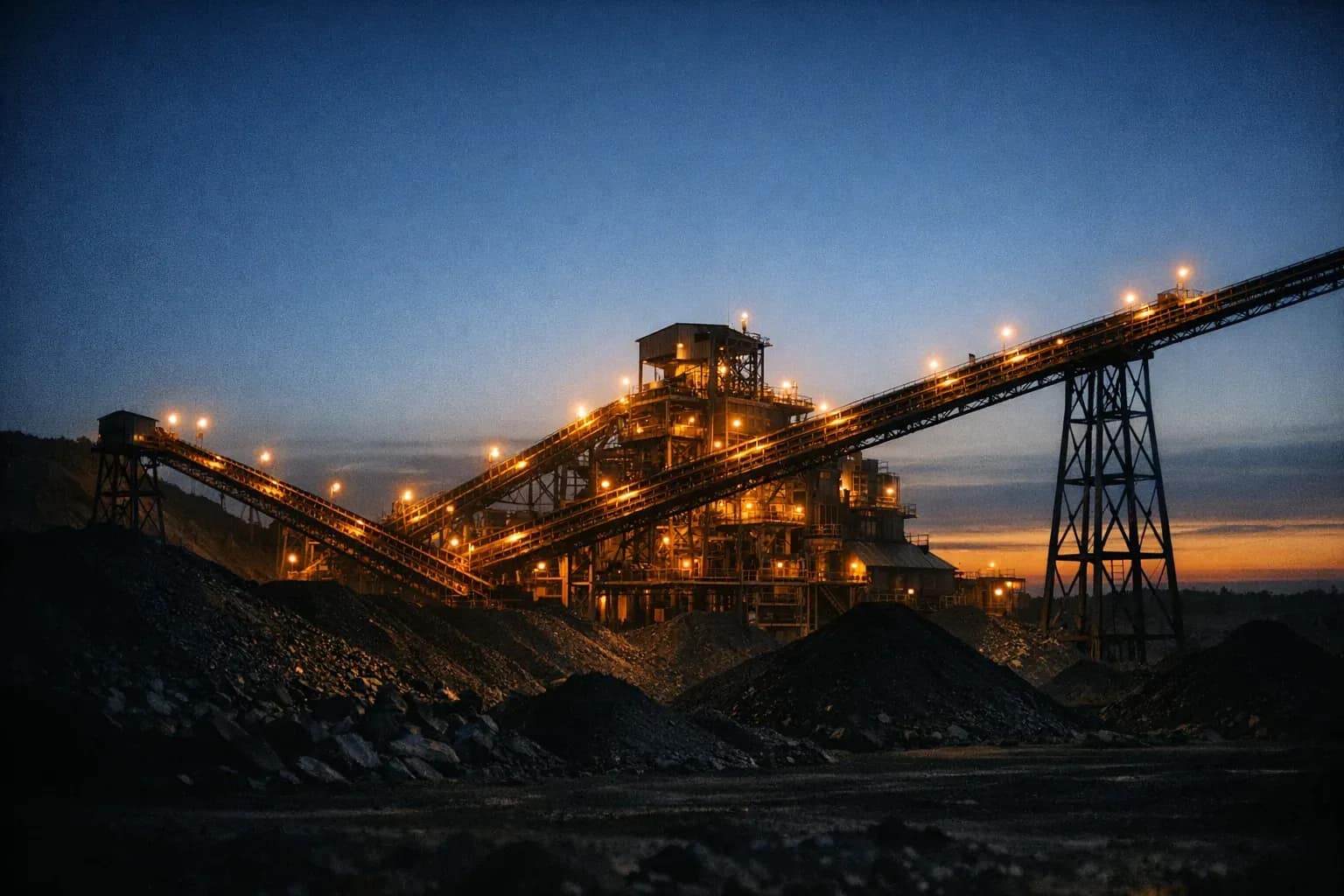
Heavy industry’s fixer, by the month.
For the capital decision, the technology bet or the operating problem that needs one person who can work the numbers, the plant and the boardroom in the same week. Mechanical engineer.
When leaders call a fixer.
Most stalled decisions sit in the gap between the model, the plant and the committee that has to sign. These are the four that come up most.
A capital case the board won’t sign
The numbers exist, the committee has questions, and the decision date has moved twice.
A technology pilot with no verdict
Six months in, nobody can say whether it should scale, stop or change.
A shutdown plan that keeps slipping
Maintenance windows, crews and contractors that never quite line up with the plan.
An AI promise nobody has costed
The vendor pitch is compelling. The business case, the data and the field workflow have not been tested.
- $100M+
- Savings modelled across an iron ore miner’s value chain, reported to executive
- $65M+
- Fleet business cases signed off, seven acquisitions approved
- 19%
- Total-cost-of-ownership reduction on a coal-miner site extension
- 8
- Field and XR products shipped for a global energy major
How it works
Diagnose the decision. Stay for the work. Leave it with the team.
From a stuck decision to an approved case your team can run.
Stage 01
Frame the decision
Free. Bring the decision or operating problem that keeps crossing the plant, the model and the approval room. We define the decision, its owner and the evidence still missing. If the call is enough, you take the next move.
Stage 02
Prove what is true
Two weeks inside the operation once site access and data are in place: the data, the plant, the people and the business case as it stands today. Ends with a decision brief: economics, options, recommendation, kill criteria and the first 90 days.
Stage 03
Build it into the work
I stay with the accountable leader, on a monthly retainer or milestone-based fees: build the TCO model or options paper, test the technology, run the pilot with the field crew and carry the recommendation through approval.
Stage 04
Transfer it and leave
The engagement runs through the next approval gate and ends when your owner has the model, decision rights, measures and field rhythm to run the work without me.
The domains, with the work behind each.
One person, several disciplines. Each engagement uses the subset the problem needs.
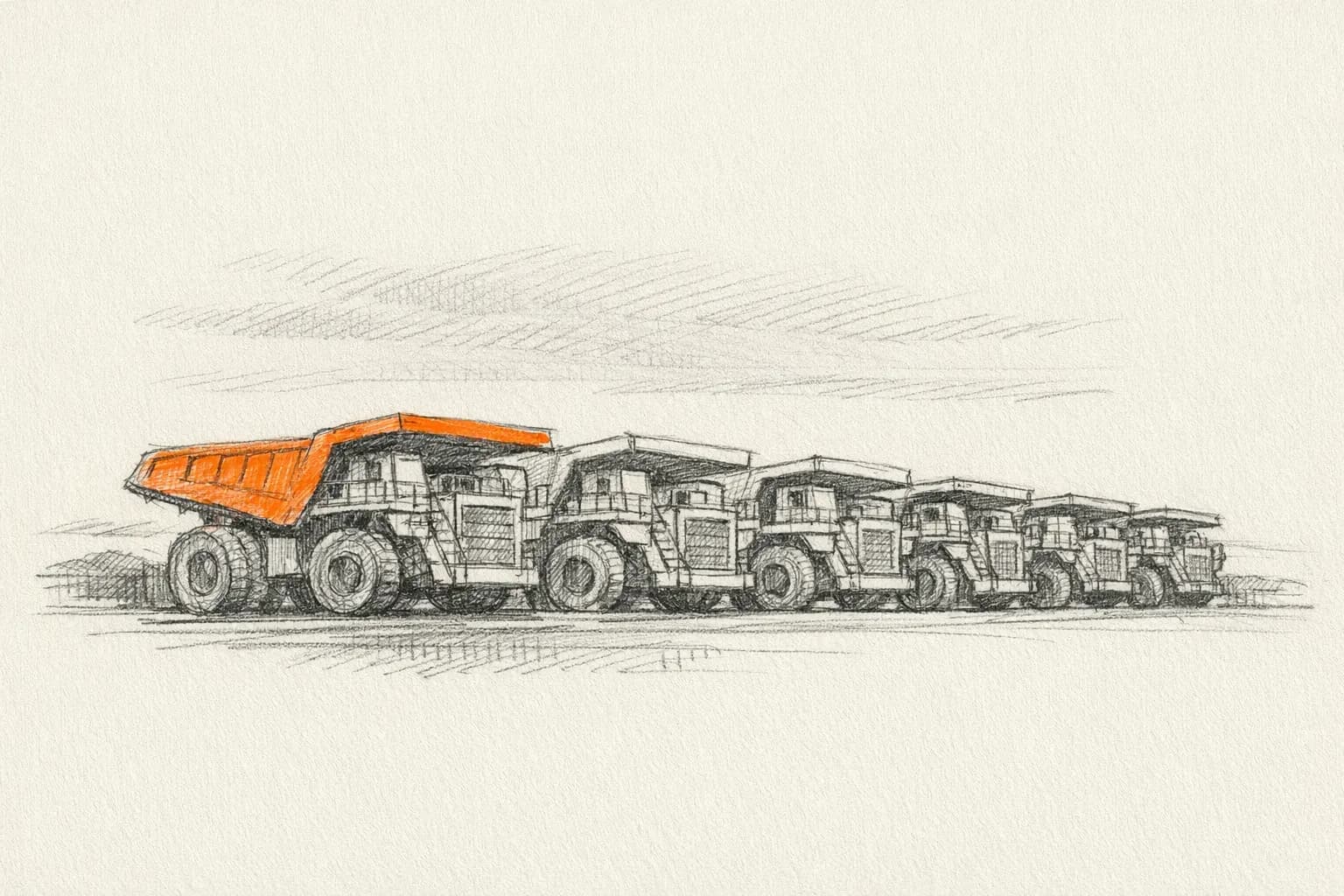
Capital decisions and business cases
Fleet TCO modelling rebuilt board-grade: $65M+ in business cases signed off, seven fleet acquisitions approved, 19% TCO reduction on a separate coal-miner site extension.
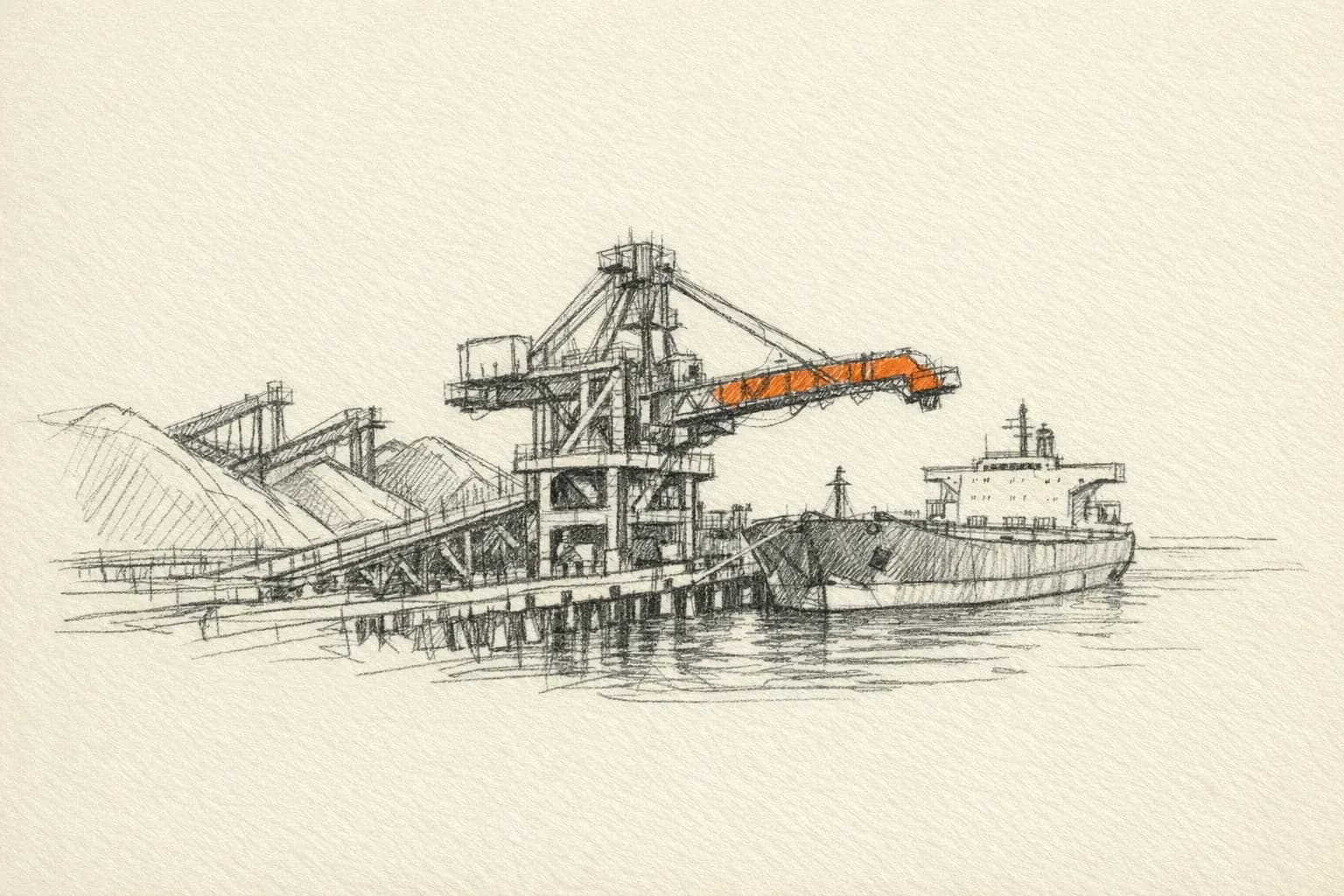
Technoeconomic analysis
Full value-chain modelling for a global iron ore miner: $100M+ in savings identified and reported to executive, as engagement lead.
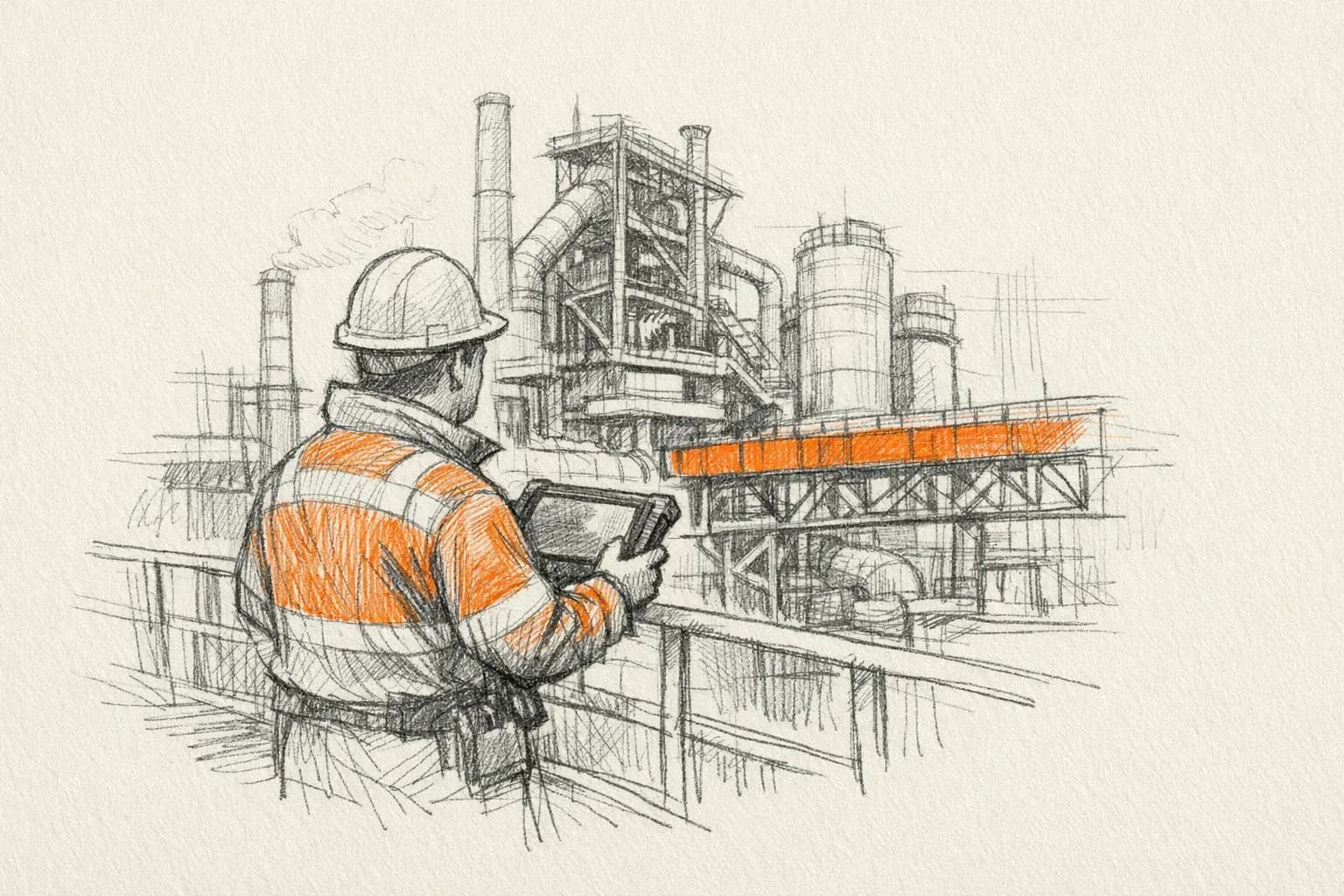
Technology and AI assessment
Which tools deserve a pilot, and which deserve a no. Eight products shipped for a global energy major, from field apps to XR wearables.
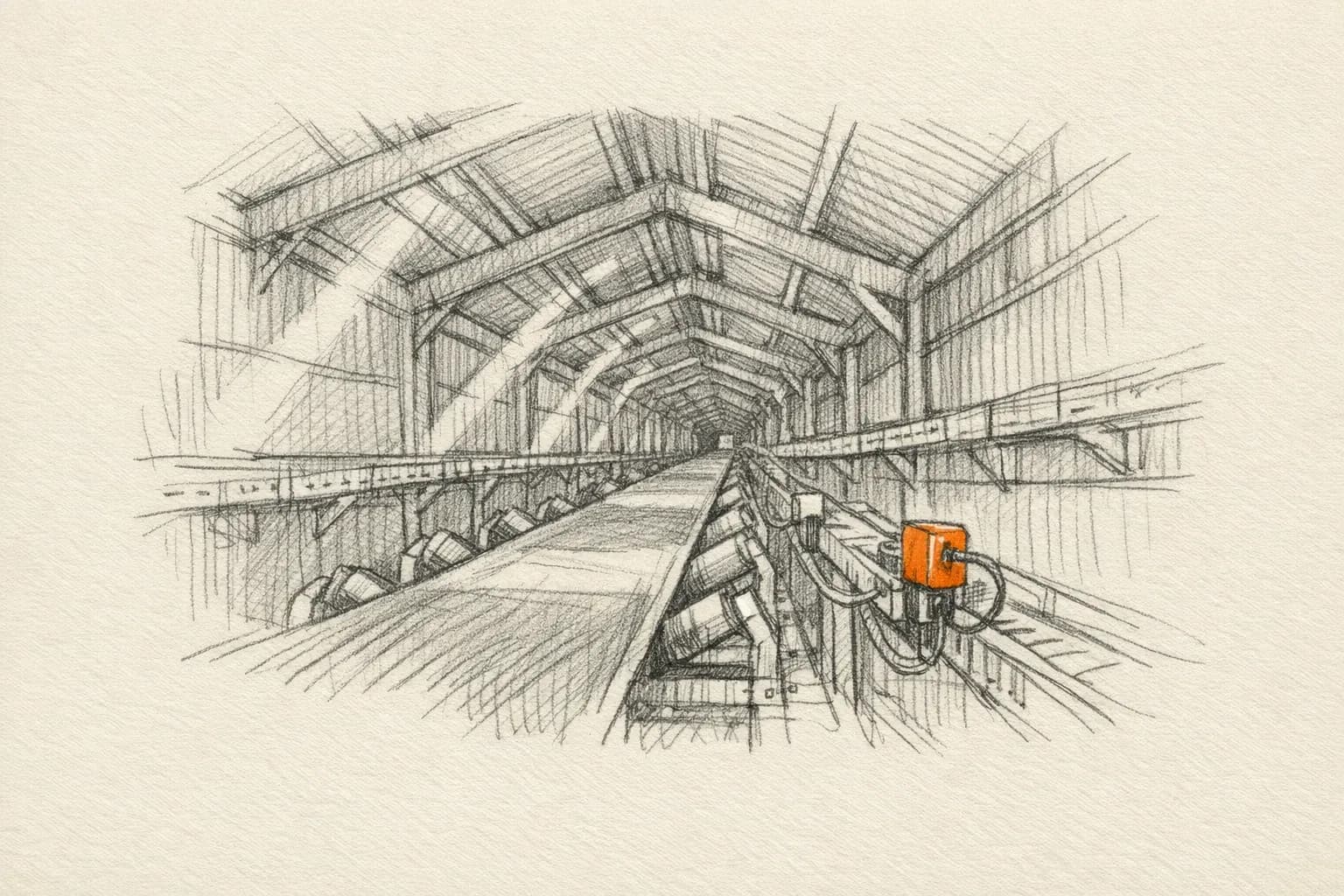
AI automation
Field and compliance workflows automated end to end. Strategic adviser to Piksort on ISO 9001 and safety compliance for mining and infrastructure.
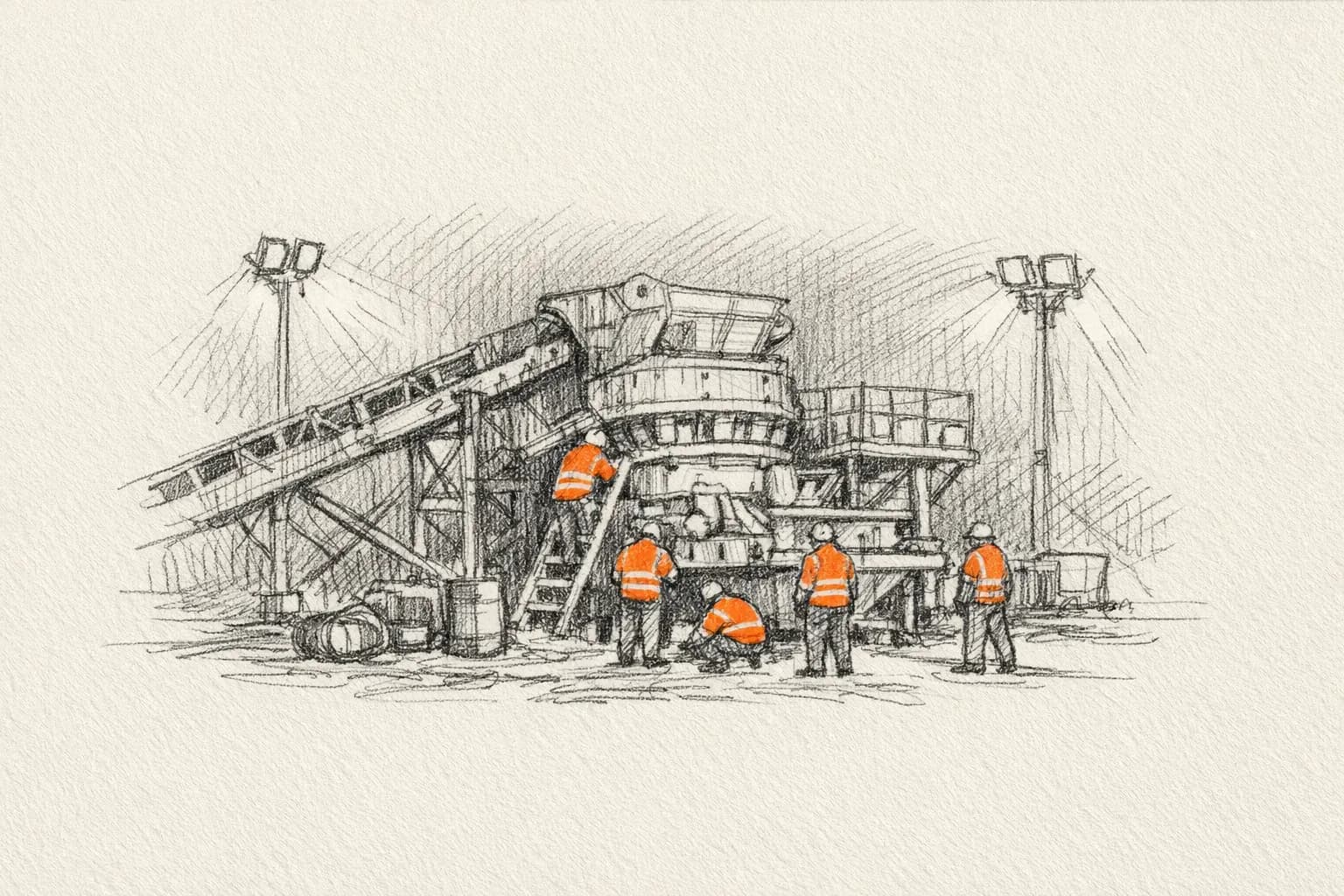
Maintenance and shutdowns
Ramp Up, my own venture, is workforce tech for shutdowns and maintenance.
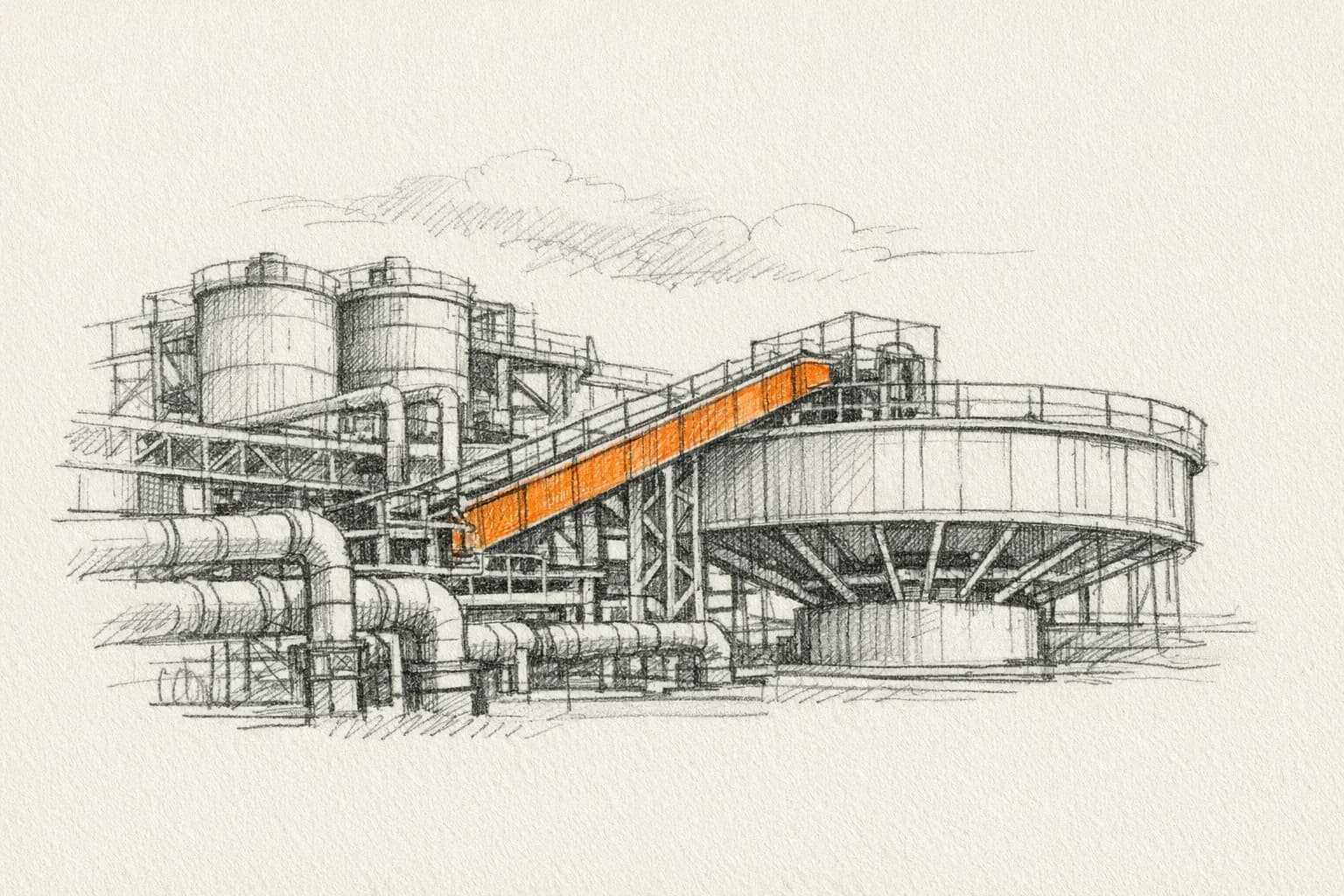
Processing operations and supply chain
The iron ore work modelled the miner’s full chain, pit to port, as one system. The same method applies to a plant, a fleet or a supply chain that has never been modelled end to end.
Three ways to fix it.
The options a leadership team weighs when a decision or an operating problem needs senior hands.
Engage a large firm
Breadth and brand, priced for both.
- A team of analysts on the invoice
- Senior time is rationed across clients
- The deliverable is often a report
- Implementation is a second engagement
Hire a permanent head
Right for a permanent gap.
- Months to recruit and onboard
- Permanent cost for a problem with an end date
- Learns the asset on the job
- One discipline, usually
An operator by the month
One senior person on the problem, from the first call.
- The numbers, the plant and the boardroom in the same week
- Two-week diagnostic, fixed price, once site access is in place
- Monthly retainer or milestone-based fees, scoped after the diagnostic
- Hands the capability to your team, then leaves
Engage a large firm
Hire a permanent head
An operator by the month
Breadth and brand, priced for both.
Right for a permanent gap.
One senior person on the problem, from the first call.
On site, and in the room.

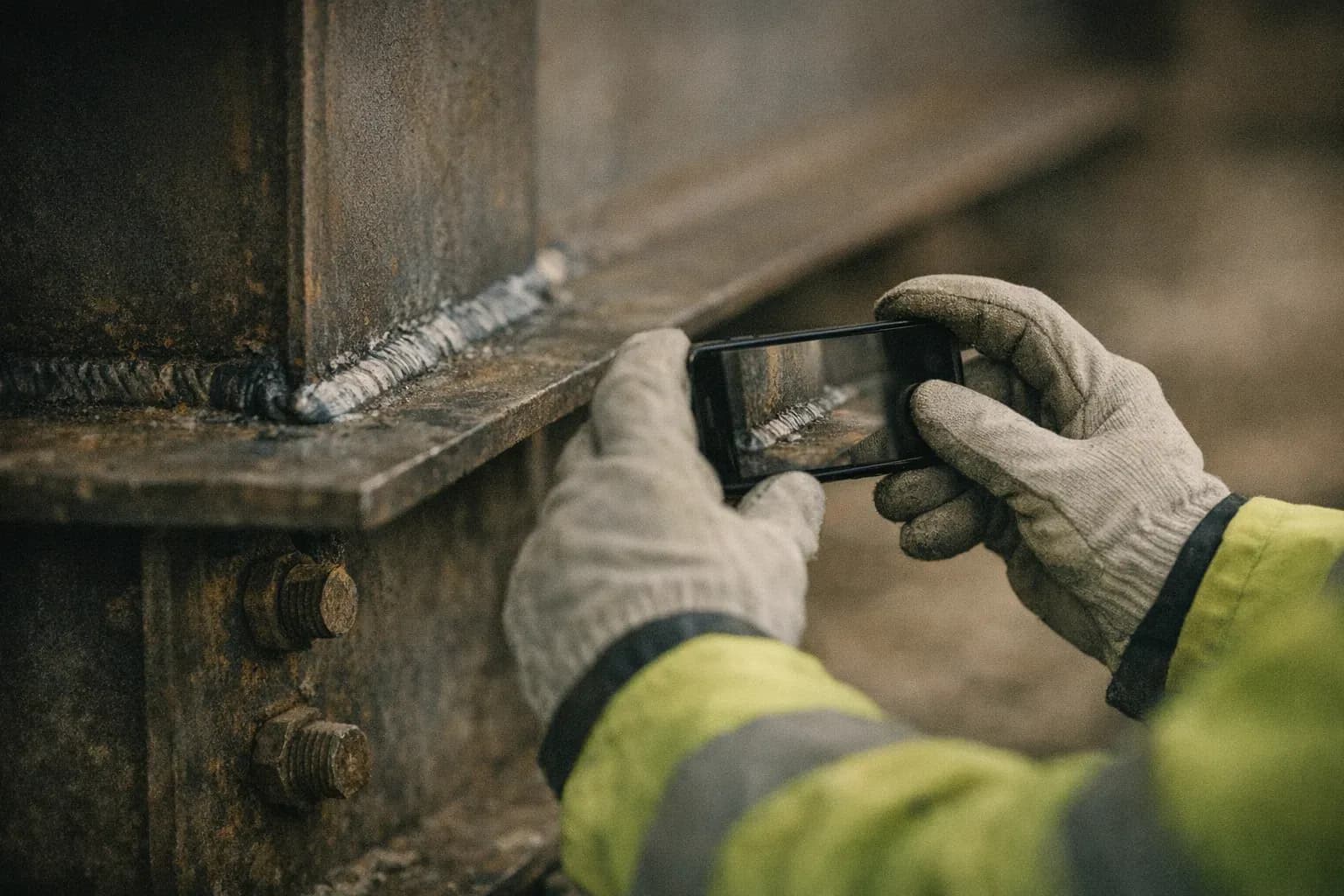
The fixes that hold on a mine site are designed around how crews actually work a shift. The ones that get funded have a business case the executive committee can sign. I have done both jobs, the field products and the capital cases, as a mechanical engineer who has stood in both rooms.
Industry case studies
The work behind the ledger, one engagement at a time.


What leaders ask.
The questions that come up before a first engagement.
What does a fixer do that the team can’t?
Works the model, the plant and the committee at once. Most stalled decisions sit between those three rooms, and each team owns only one of them.
What do we get at the end of the two weeks?
A three-page synthesis and a prioritised action list your leadership team can act on, built from the data, the plant and the business case as it stands.
Do you come to site?
Yes, where the problem needs it. The fixes that hold are designed around how crews actually work a shift.
How long does an engagement last?
Usually through the next approval gate. It ends when your team can carry the work without me, whatever the calendar says.
Which decisions do you take on?
Capital decisions and business cases, technoeconomic analysis, technology and AI assessment, AI automation, maintenance and shutdowns, processing operations and supply chain.
Bring the decision the plant can’t wait on.
Thirty minutes with Tanuj. Free, no prep. I will tell you how I would attack it.