
The co-founder state-of-the-union
CB Insights has co-founder disputes as the second-most-cited reason startups die, sitting above cash. Most of those disputes were decidable twelve months earlier. Nobody had a forum.
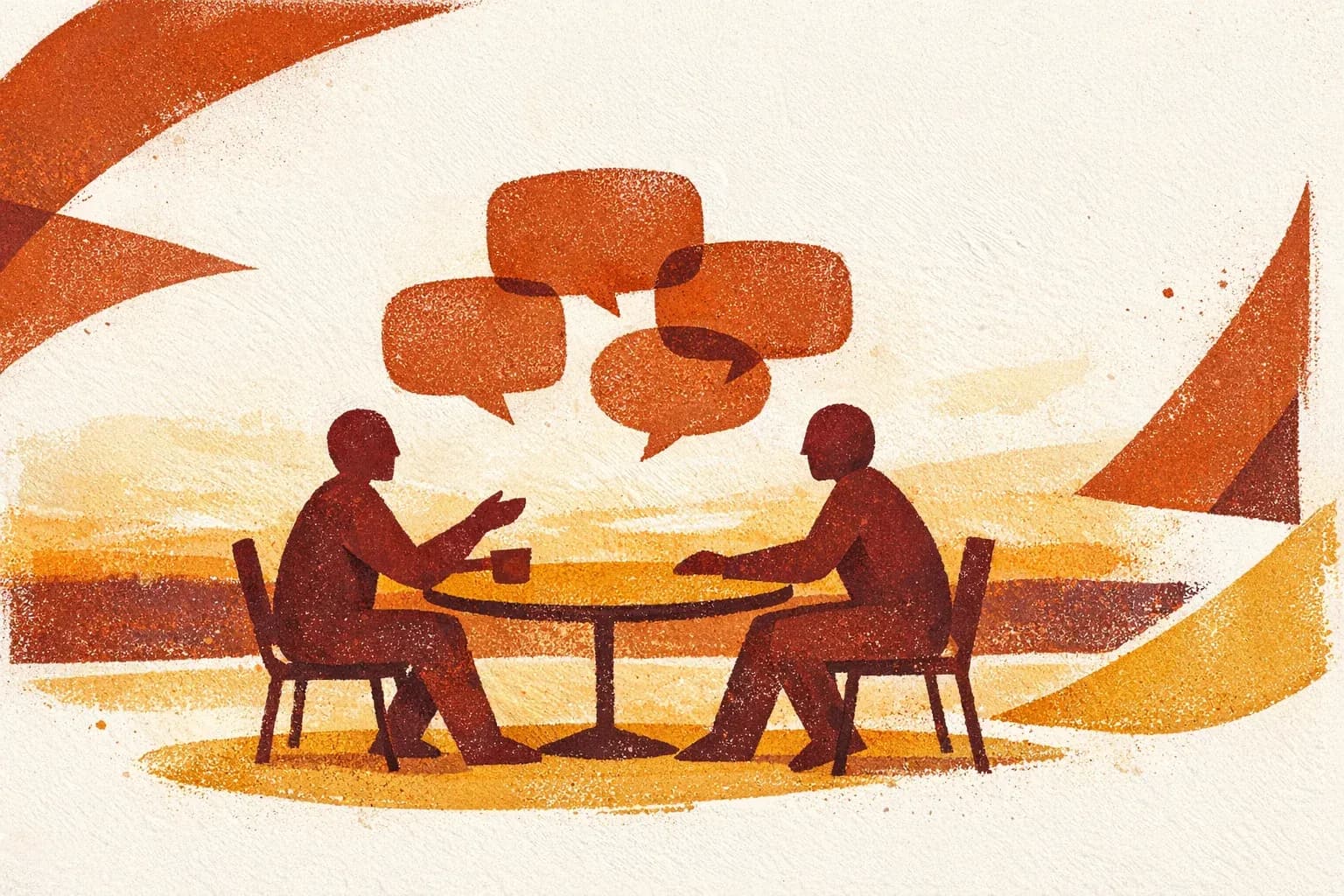
CB Insights lists 'team problems' as the second-most-cited reason startups die, behind only 'ran out of cash' (which often turns out to be the same thing one layer down). Concept Ventures, tracking UK pre-seed outcomes since 2020, put the number at 23% of failed companies. Both numbers understate it. Co-founder fallouts that don't kill the company tend to kill the momentum for a year, which is the same thing on a longer fuse.
Most founders hear this and nod. 'That won't be us.' It will be you, probably, if you don't do the maintenance. Equity is locked. The cliff just vested. The mortgage is now co-signed with the relationship. And nobody has the language or the forum to say the thing that would have saved it twelve months earlier.
Why it happens in year two specifically
Year one is survival. Fundraise, first hire, first customer. The work is crushing enough that nobody has the room to notice the relationship is drifting. Year two is when the real stress tests land. A bad hire you both kind of knew was bad. A term sheet that revealed different risk appetites. A month where revenue went backwards. Those tests don't break strong relationships. They break weak ones that nobody audited.
The founders I've watched survive year two did one thing in common. They booked a recurring ninety-minute slot in their calendar, outside the office, and they kept it even when the week was on fire. Especially when the week was on fire.
The quarterly state-of-the-union
Ninety minutes. No laptops. A cafe neither of you works from. Same five prompts, every quarter. You do not need a coach. You need the prompts and the discipline to sit with the answers even when the answers are awkward.
- What is the one decision we made this quarter I would make differently now, and what does that tell us about how we decide?
- Who carried more than their share this quarter, and who carried less? Be specific with examples.
- Name one thing the other person did this quarter you haven't acknowledged yet. Say it now.
- Name one thing the other person did this quarter that is bothering you, that you haven't raised. Raise it now.
- If we knew right now we had to separate within twelve months, what would we want to have said, done, or documented before that happened?
The fifth prompt is the hardest and the most valuable. It forces you to treat the partnership as a thing that exists on a clock, not as a given. The co-founder pairs who make it through year three say the same thing when I ask about it. They started running this conversation, or something close to it, before they thought they needed to.
What to do if it's already broken
If the conversation has been deferred for eighteen months, do not run the prompts cold. Get a third party. A board member, a trusted advisor, a founder-specialist therapist like the ones Plural Equity or Reboot fund. A broken partnership in a funded company is a workout session, not a workshop. Treat it with the severity of a financial restructure, because that is what it is.
A co-founder relationship is a contract, not a vow. Contracts get renegotiated. The ones that don't get renegotiated get broken in public, at the worst possible time, and usually in the hearing of your investors.
Template from this essay
Co-founder state-of-the-union — quarterly prompts
Ninety minutes. No laptops. A cafe neither of you works from. Same five prompts every quarter. The maintenance pattern co-founders use to survive year two.
Perspectives, by email
Get the next essay in your inbox.
One a fortnight, sometimes less. No nurture funnel. Unsubscribe in one click whenever it stops being useful.
Found this useful?
Thirty minutes. Free. No prep needed.
If the diagnosis is clear without me, you go do it. If not, we talk about the sprint. Either way, the first call takes 30 minutes and costs nothing.
Book the callKeep reading
All posts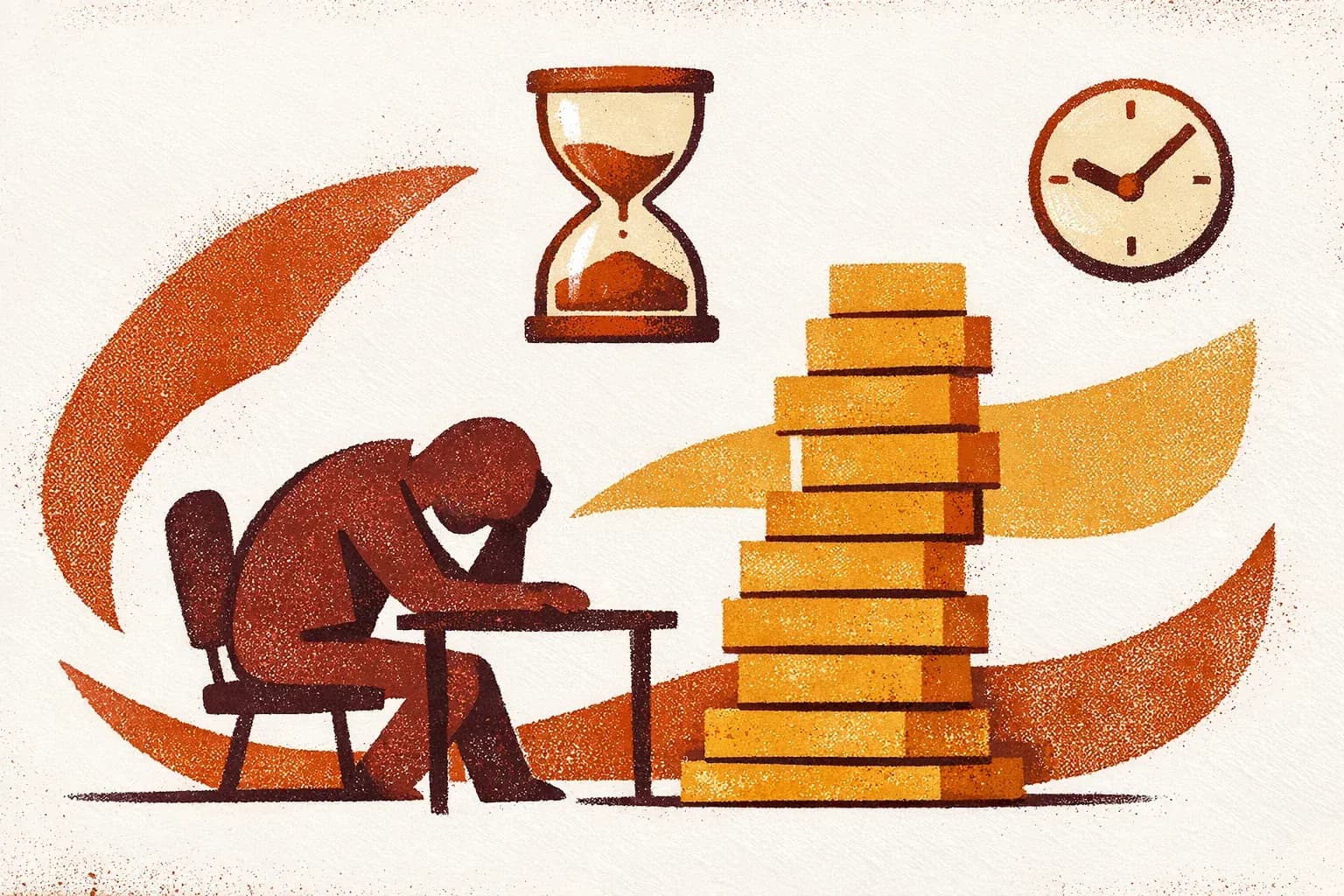
Founder burnout as a cash equivalent
Fifty-four percent of founders report being burned out, per the 2025 Sifted survey. Stop treating this as a wellness issue. Treat it as a line item on the balance sheet. That's the only framing that makes the spend decision obvious.
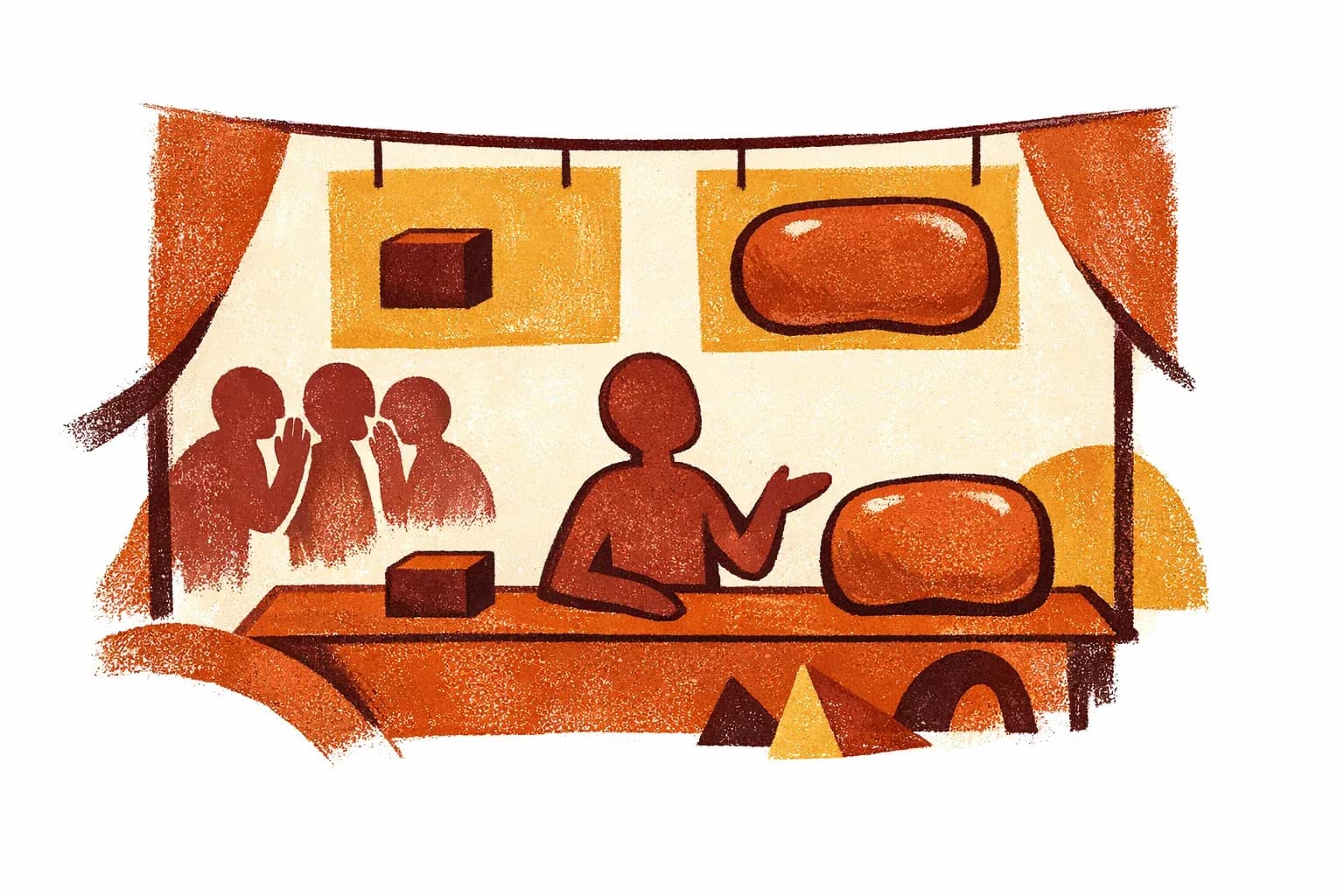
The fundraise is a trust market, not a sales funnel
Manufactured urgency (the fake term sheet, the invented deadline, the 'closing this week' that's closing nothing) is the fastest way to kill a round. VCs talk to each other. They know when the FOMO is real.
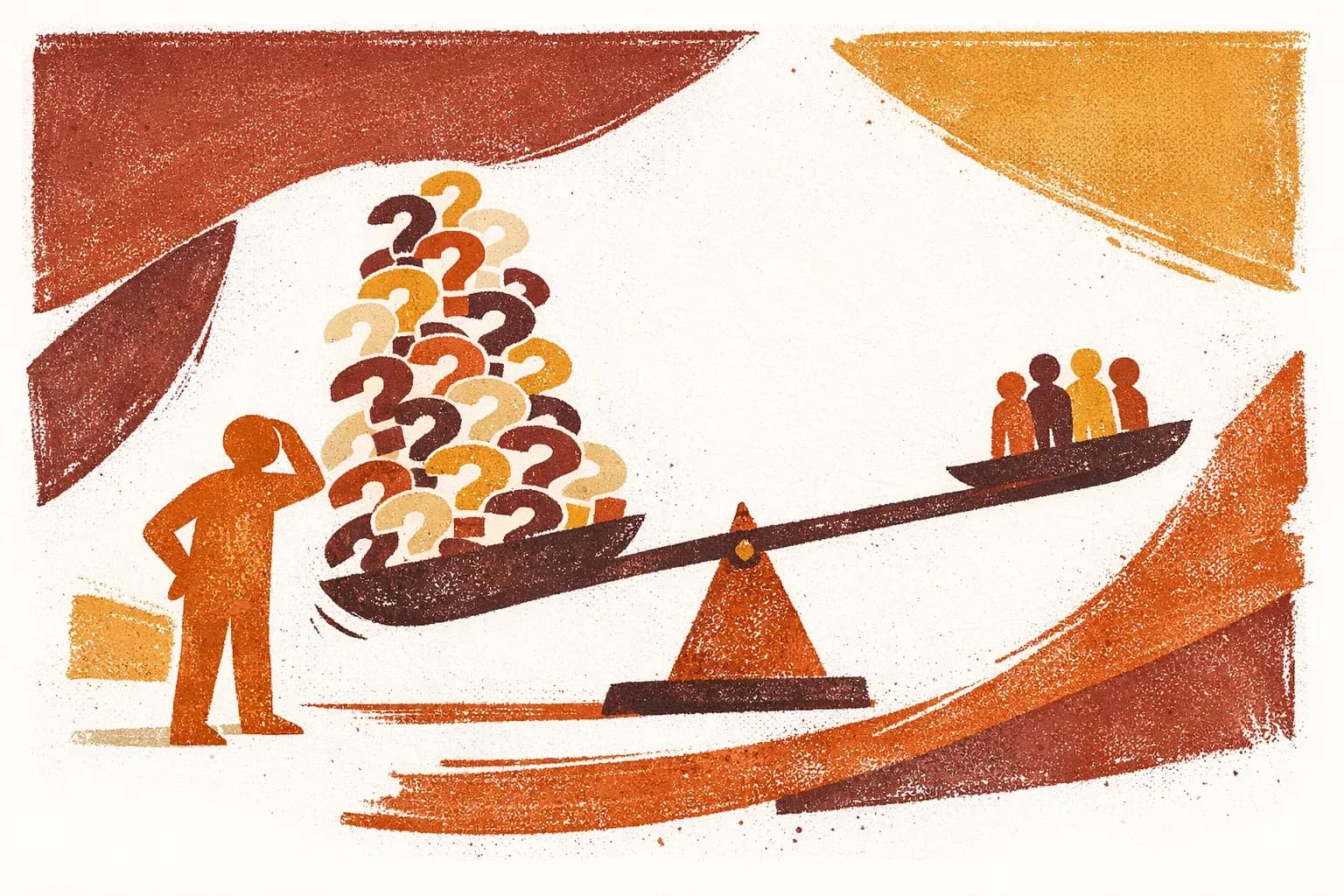
Count open questions, not open roles
Every hire is a confession of a bet you've already made. Before you pick up the phone to a recruiter, count the questions your business hasn't answered yet. The first number tells you how ready you are.