
Distraction has a CRM — it's called LinkedIn
Graham was right that competition doesn't kill startups. Distraction does. What he didn't say: distraction in 2026 has an interface, a notification schedule, and a search function. It's called LinkedIn.

Paul Graham wrote that competition isn't what kills startups, distraction is. That was in 2006. In 2026, distraction has tooling. It has a scheduling interface, a notification schedule, and a search function. It's called LinkedIn, and every pre-seed founder has it open in a tab the second the cheque clears.
The moment you announce a round, three things happen in parallel. VCs who passed 'want to reconnect'. Founders of adjacent startups want to 'swap notes'. Accelerators, podcast producers, and 'communities' you've never heard of all want 45 minutes to 'understand the space'. None of this is malicious. All of it is distraction wearing the costume of opportunity.
The audit
Once a quarter, take a screenshot of the previous two weeks of your calendar and answer one question for every recurring slot: what specific revenue, product, or hiring decision would have suffered if I had not shown up? If the answer is 'nothing specific, it's relationships', the slot is distraction. Relationships that don't map to a future decision are, on a startup clock, a cost.
That audit alone will usually reclaim four to eight hours a week. The founders I've run it with never add anything back. They just notice they have time again.
What good noise looks like vs bad noise
Not all inbound is bad. A customer who wants forty minutes to tell you why they almost cancelled last month is gold. A senior operator from your target segment who wants to be helpful is worth an hour. A VC who led your last round asking for an update is maintenance. Those stay.
What goes: the podcast pitch that 'would get you in front of our audience of 30k'. The 'fintech operator breakfast'. The Zoom with a founder whose business adjacent-but-not-really. The 'keen to share notes' DM from someone who's actually fundraising and wants intel.
- Test 1: Does this map to a specific decision I'll make in the next quarter?
- Test 2: If I miss it, is there a cost bigger than the hour?
- Test 3: Am I saying yes because I'm curious, or because I owe them, or because I'm avoiding the thing I should be doing right now?
The saying-no problem
Founders know all of this. They struggle with the reply. 'Thanks for the thought, I'm heads-down through Q3. Let's reconnect in October' is a complete sentence. If they push, they're not your network. They're distraction with better tactics.
Every hour you give to someone who isn't a customer, an investor you're raising from, or a hire you need is an hour your runway pays for. The calendar is the budget.
Perspectives, by email
Get the next essay in your inbox.
One a fortnight, sometimes less. No nurture funnel. Unsubscribe in one click whenever it stops being useful.
Found this useful?
Thirty minutes. Free. No prep needed.
If the diagnosis is clear without me, you go do it. If not, we talk about the sprint. Either way, the first call takes 30 minutes and costs nothing.
Book the callKeep reading
All posts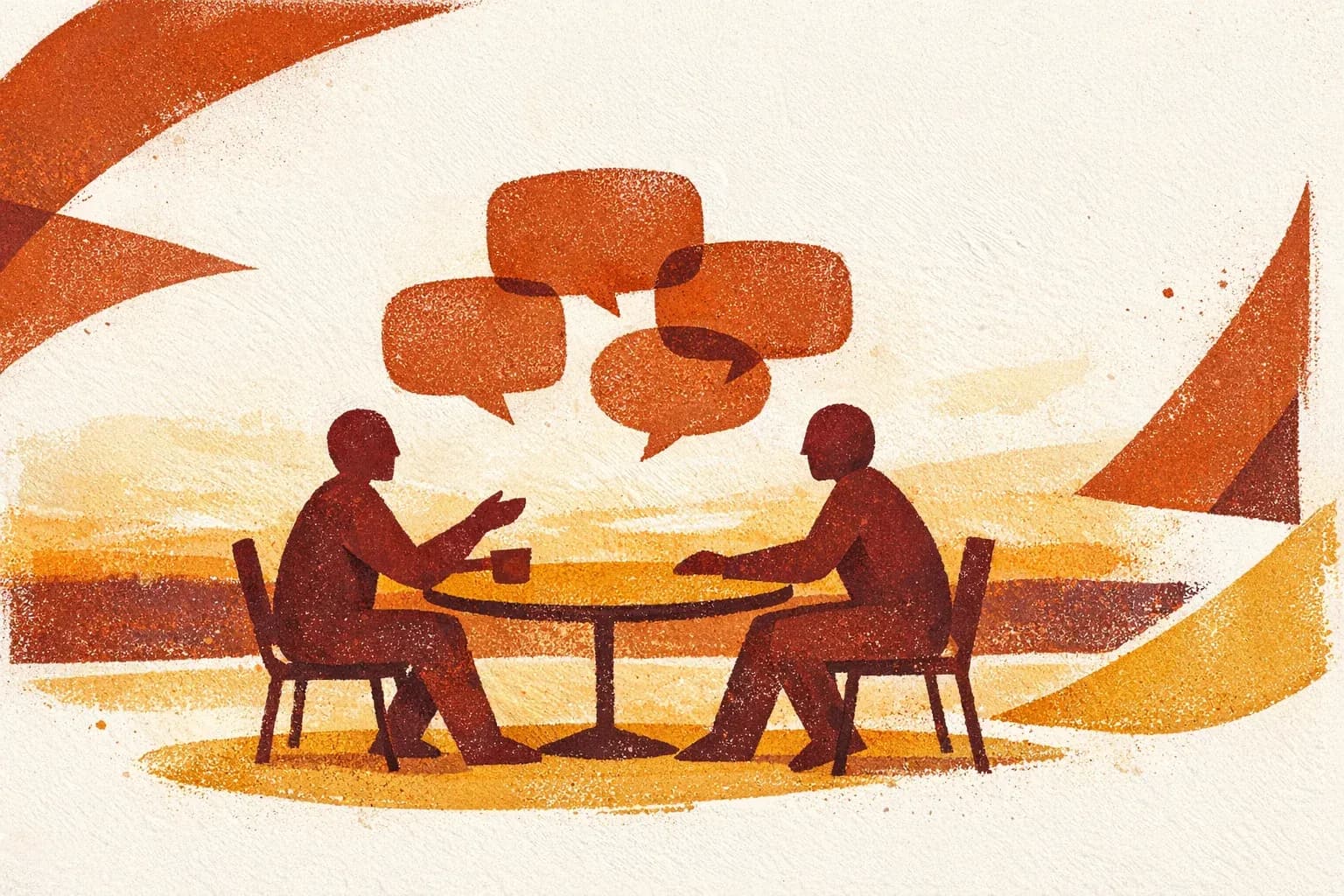
The co-founder state-of-the-union
CB Insights has co-founder disputes as the second-most-cited reason startups die, sitting above cash. Most of those disputes were decidable twelve months earlier. Nobody had a forum.

Founder burnout as a cash equivalent
Fifty-four percent of founders report being burned out, per the 2025 Sifted survey. Stop treating this as a wellness issue. Treat it as a line item on the balance sheet. That's the only framing that makes the spend decision obvious.

The fundraise is a trust market, not a sales funnel
Manufactured urgency (the fake term sheet, the invented deadline, the 'closing this week' that's closing nothing) is the fastest way to kill a round. VCs talk to each other. They know when the FOMO is real.