
Loneliness is a decision-quality problem
First Round's founder survey keeps finding that pre-Series-A founders report isolation as their biggest stress. It's not a wellness issue. Without sparring partners, you regress toward whichever investor called you last.
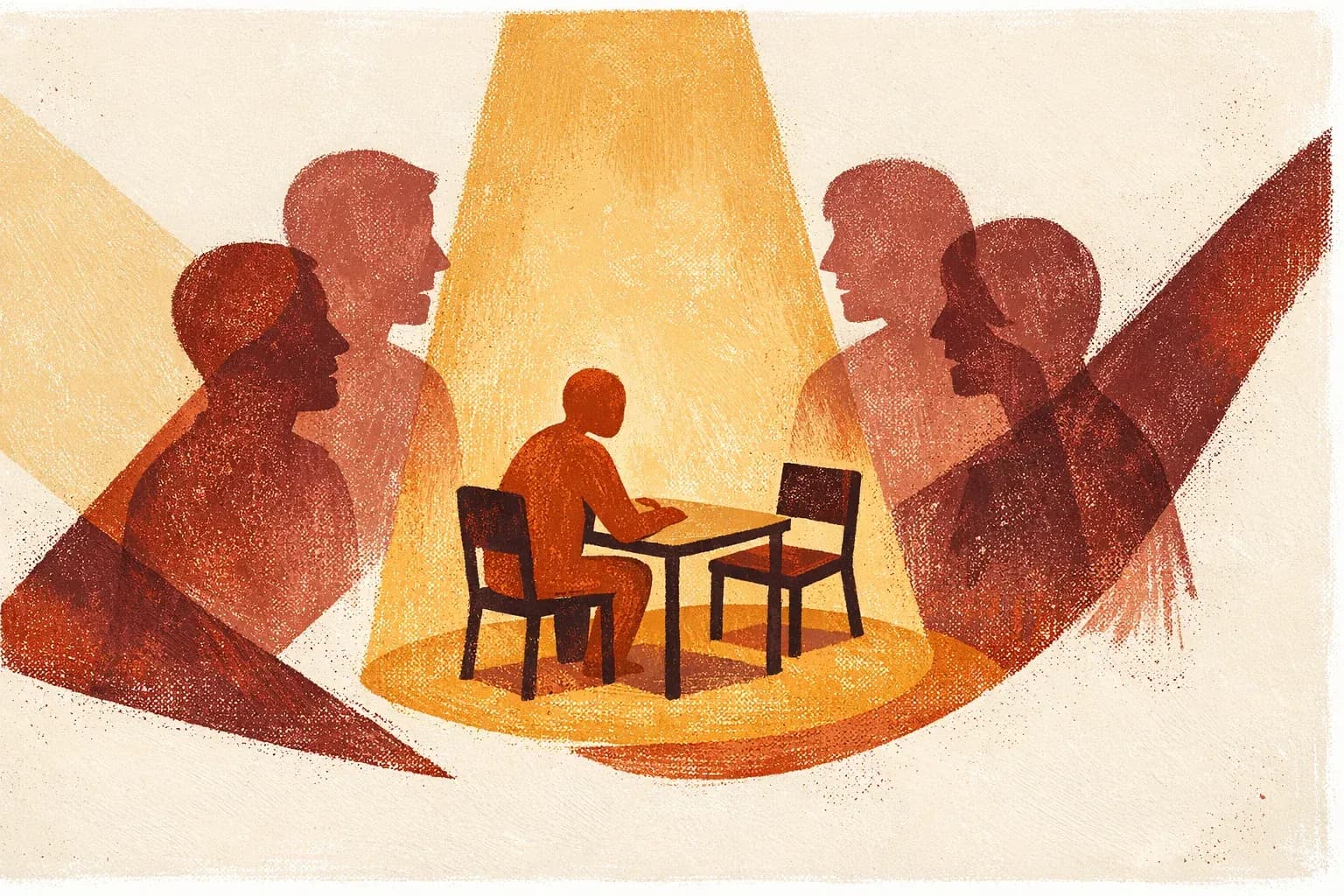
Every founder mental-health survey for the last four years has found the same thing: pre-Series-A founders report loneliness as their biggest source of stress. Higher than fundraising. Higher than hiring. Higher than product work. The usual response is 'get a therapist', which is fine advice but misses the specific shape of the problem.
Founder loneliness isn't a mental-health problem in the clinical sense. It's a decision-quality problem. At 3-15 people the founder is too big to share every significant decision with the team (it would paralyse them; context is asymmetric; they'd vote their own interests) and too small for a board or a peer CEO group to materially substitute. The founder ends up making fifty non-trivial decisions a week alone, and the quality of those decisions starts to drift.
What loneliness does to a decision
The specific effect is regression. Without sparring partners, a founder's reasoning collapses toward the most recent high-status input she received. If the last investor call was with a growth-obsessed VC, every decision for the next two weeks tilts growth. If the last call was with a capital-efficiency-obsessed VC, the tilt flips. The founder thinks she's updating on new information. She's actually being anchored by whoever called last.
This shows up most obviously in fundraising, pricing, and hiring. Three areas where a small bias compounds fast. A founder who gets VC-anchored on pricing for two months ends up with a price point that looks right to VCs and wrong to customers. The customers churn. The VCs notice the churn and lose interest. The founder never connects the two events.
The structural fix
Therapy is for the emotional side. For the decision-quality side, you need sparring. Two or three people who have operated at the stage you're at or one stage ahead, who see your decisions weekly, and whose disagreement you respect. Not mentors giving advice. Sparring partners who push back on specific calls.
- Peer group: three to five other seed founders at roughly the same stage. Meet every two weeks. Each person presents one specific decision they're stuck on. Everyone else argues against whatever they're leaning toward.
- Operator advisor: one person who's done your job at the stage you're at, preferably a couple of years further on. Paid or unpaid, as long as the rhythm is weekly.
- Board or investor: one investor who will take a call about an operational decision, not just a financial one. Rare, but worth engineering for.
The test for whether the structure is working is simple: after three months, are you still making decisions that sound like the last investor you talked to? If yes, the sparring isn't dense enough. If no, you've bought yourself back a piece of judgment that was otherwise going to drift.
Founder loneliness isn't solved by more friends. It's solved by two or three people whose disagreement you respect enough to slow down for.
Perspectives, by email
Get the next essay in your inbox.
One a fortnight, sometimes less. No nurture funnel. Unsubscribe in one click whenever it stops being useful.
Found this useful?
Thirty minutes. Free. No prep needed.
If the diagnosis is clear without me, you go do it. If not, we talk about the sprint. Either way, the first call takes 30 minutes and costs nothing.
Book the callKeep reading
All posts
Grit, stubbornness, and the three questions that tell them apart
Founder culture confuses perseverance with truth-avoidance and fail-fast with flinching. Both can be right; both can be wrong. Here's the diagnostic that separates the two inside the specific decision in front of you.
Delegate judgement, not work — the founder-to-CEO trap
The thing that got you from zero to eight people quietly stops working around person fifteen. Chesky's Founder Mode is right that you shouldn't detach. It's also half the answer.
The $100M model nobody wanted to build
Twelve days before a capital allocation meeting, the executive asked me for three slides. The full value-chain model was a month away. The number on the one-pager would have been wrong.