
The wrong first hire kills more startups than the wrong idea
Founders overestimate how much 'complementary' matters and underestimate how much 'redundant' kills. A note on first-hire pattern-matching.

A pattern I keep seeing at pre-seed and seed: the founder hires a co-founder or a Head of Something who feels complementary. Different personality, different vibe, different energy. Six months later the company has two people doing variations on the same job and the actual gap, whichever one it was, is still unfilled.
Complementary personality ≠ complementary skills
Complementary personality is easy to spot in a two-hour conversation. It makes the founder feel less alone, which is legitimately valuable in the early weeks. The problem is that it gets confused for complementary skills, which is harder to diagnose and usually matters more.
Two founders who are both 'product people' can have very different product personalities. One ships fast and rough, one polishes before shipping. The working dynamic can feel great. The cap table still has two people pointed at the same work.
Keep doing it yourself
Not a bottleneck. You are the best at it. Hiring adds overhead, not leverage.
You need help, not replacement
You are the bottleneck, but also the best. A contractor or part-timer unblocks you. Not a full-time hire yet.
Off the critical path
Not a bottleneck. Not the best version either. Most bad first hires live here. The work is not yet worth paying for.
Hire here
You are the bottleneck and you are not the best version of the company at this. This is the role.
Am I the bottleneck on this work?
Most founders hire from the bottom-left quadrant because the work is off their plate. The company gets a salary with nothing to show for it.
The test I'd use now
When I'm advising a founder on a first or second hire, the test I try to get them to run isn't 'what do we need?' It's 'which decisions am I the bottleneck on, and which am I the best version of our company at making?' Those two sets should not overlap much.
- Hire where you're the bottleneck AND not the best version of the company at that work
- Don't hire where you're the bottleneck BUT the best version of the company (you need help, not replacement)
- Don't hire where you're not the bottleneck AND not the best version (the work isn't on the critical path yet)
Most bad first hires live in the third category. The founder's bored, so they hire someone to take it off their plate, and the company gets a person doing non-critical work on the payroll.
Why this is worse than a wrong idea
Wrong ideas are cheap to kill. A two-week sprint tells you the market doesn't care, you pivot, and the cap table is intact. Wrong hires take six to twelve months to unwind, cost two to three months of salary, and, more expensively, cost the founder the confidence to hire the right person for the same role when the right one shows up.
Hire where you run out of yourself. Not where you're bored with yourself.
Perspectives, by email
Get the next essay in your inbox.
One a fortnight, sometimes less. No nurture funnel. Unsubscribe in one click whenever it stops being useful.
Found this useful?
Thirty minutes. Free. No prep needed.
If the diagnosis is clear without me, you go do it. If not, we talk about the sprint. Either way, the first call takes 30 minutes and costs nothing.
Book the callKeep reading
All posts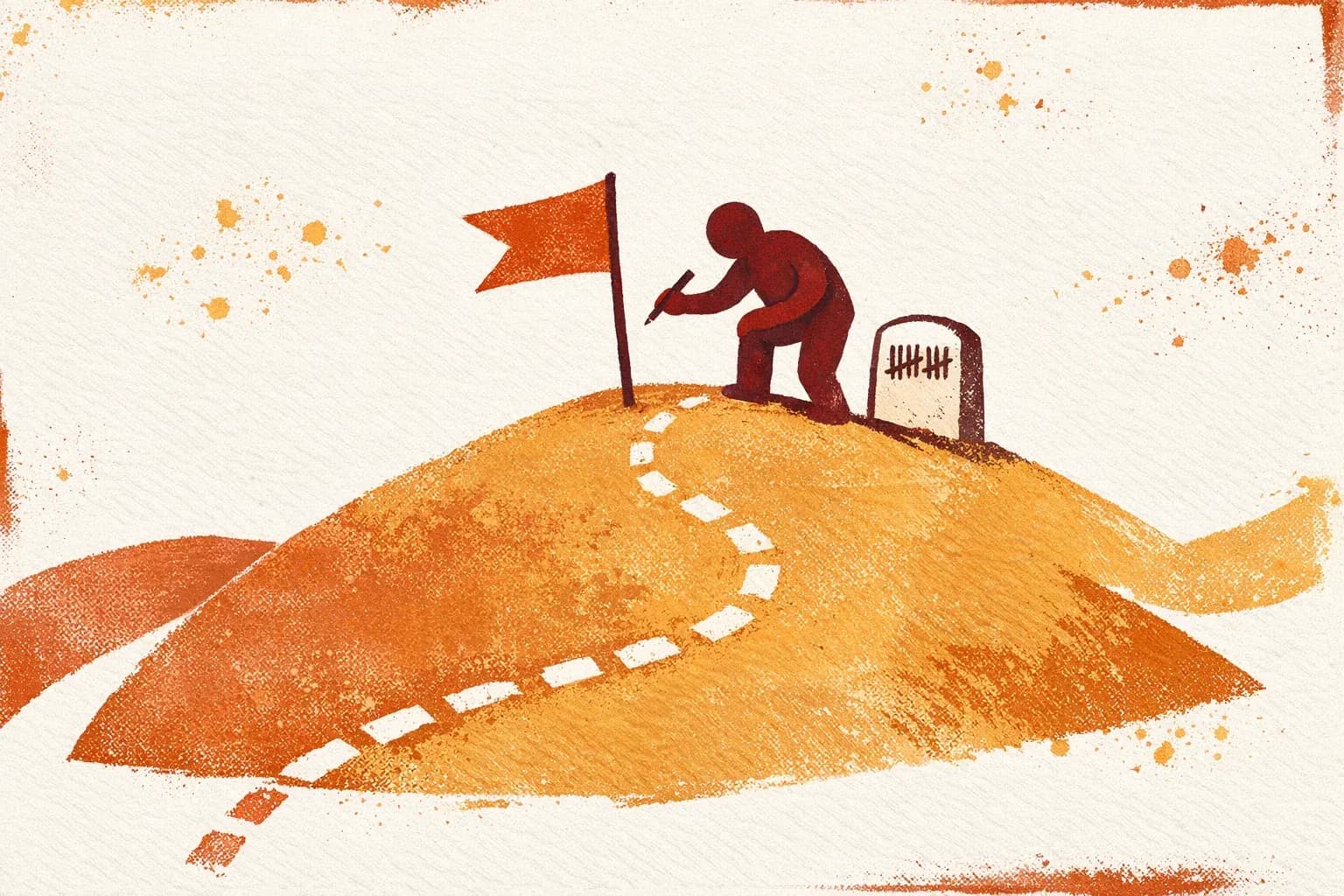
Write the kill criteria before you launch
Most seed-stage experiments have no exit conditions. Every one becomes a referendum on the company because there was no pre-agreed threshold that would have made it a normal closure. Fix that in advance.
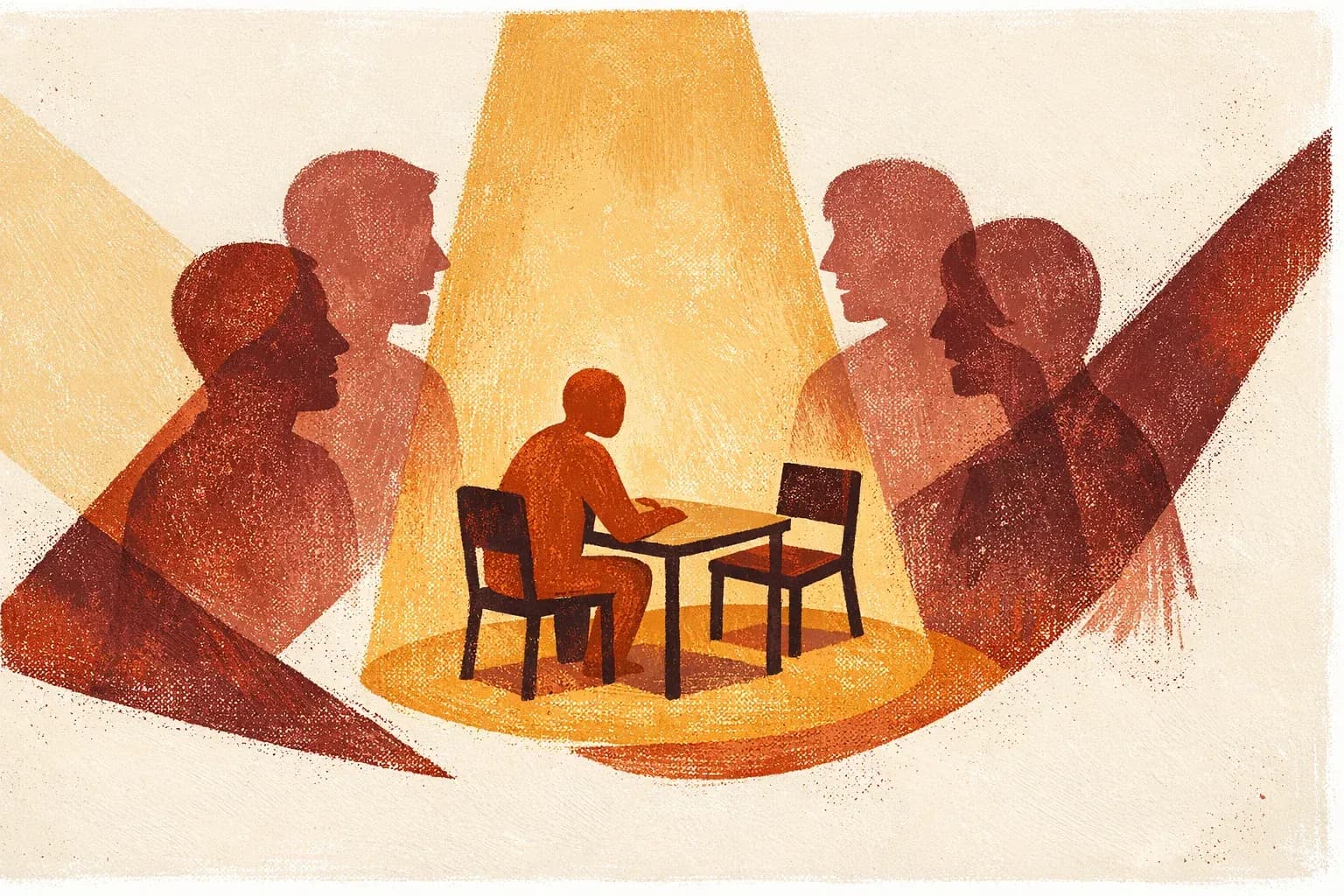
Loneliness is a decision-quality problem
First Round's founder survey keeps finding that pre-Series-A founders report isolation as their biggest stress. It's not a wellness issue. Without sparring partners, you regress toward whichever investor called you last.

Grit, stubbornness, and the three questions that tell them apart
Founder culture confuses perseverance with truth-avoidance and fail-fast with flinching. Both can be right; both can be wrong. Here's the diagnostic that separates the two inside the specific decision in front of you.